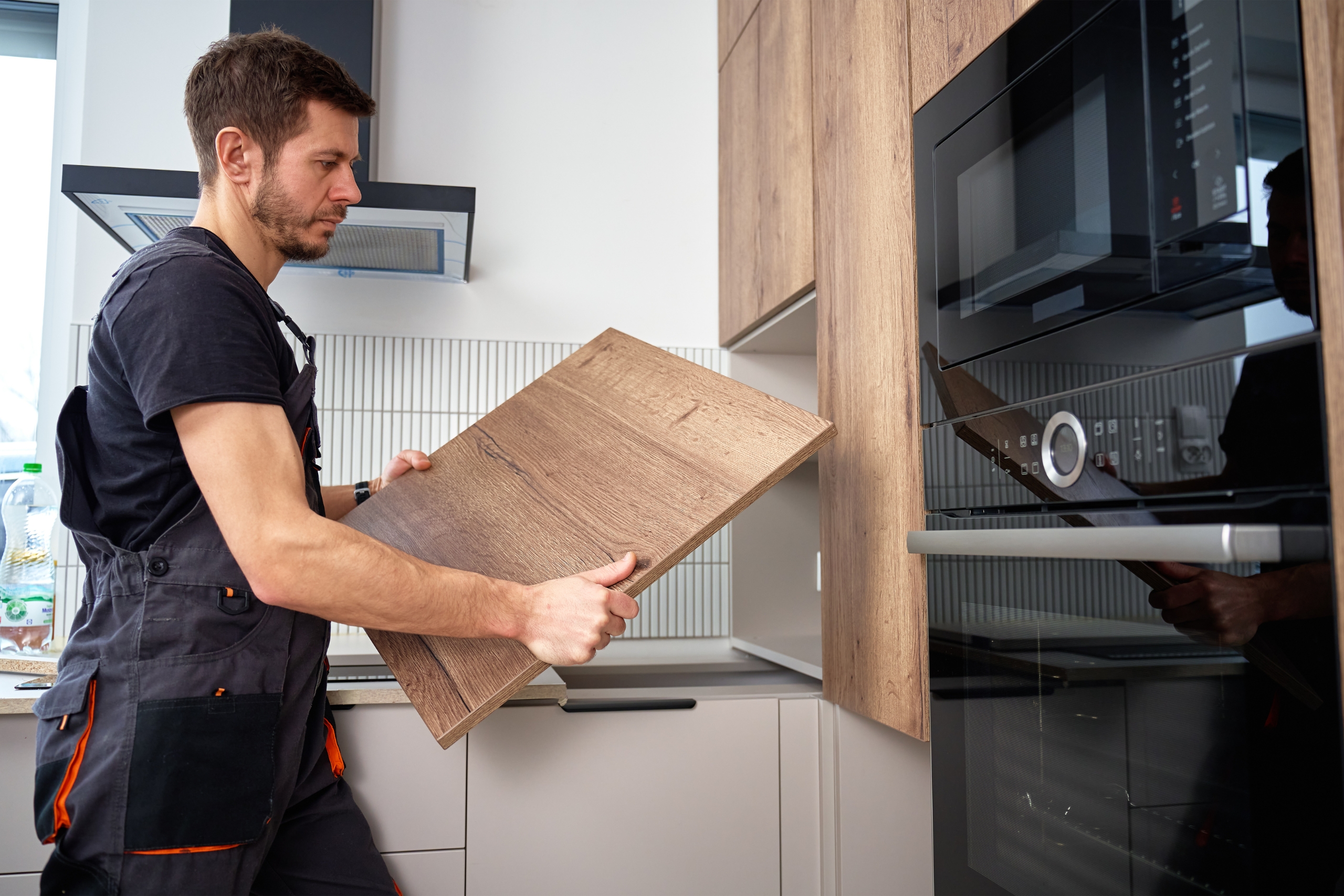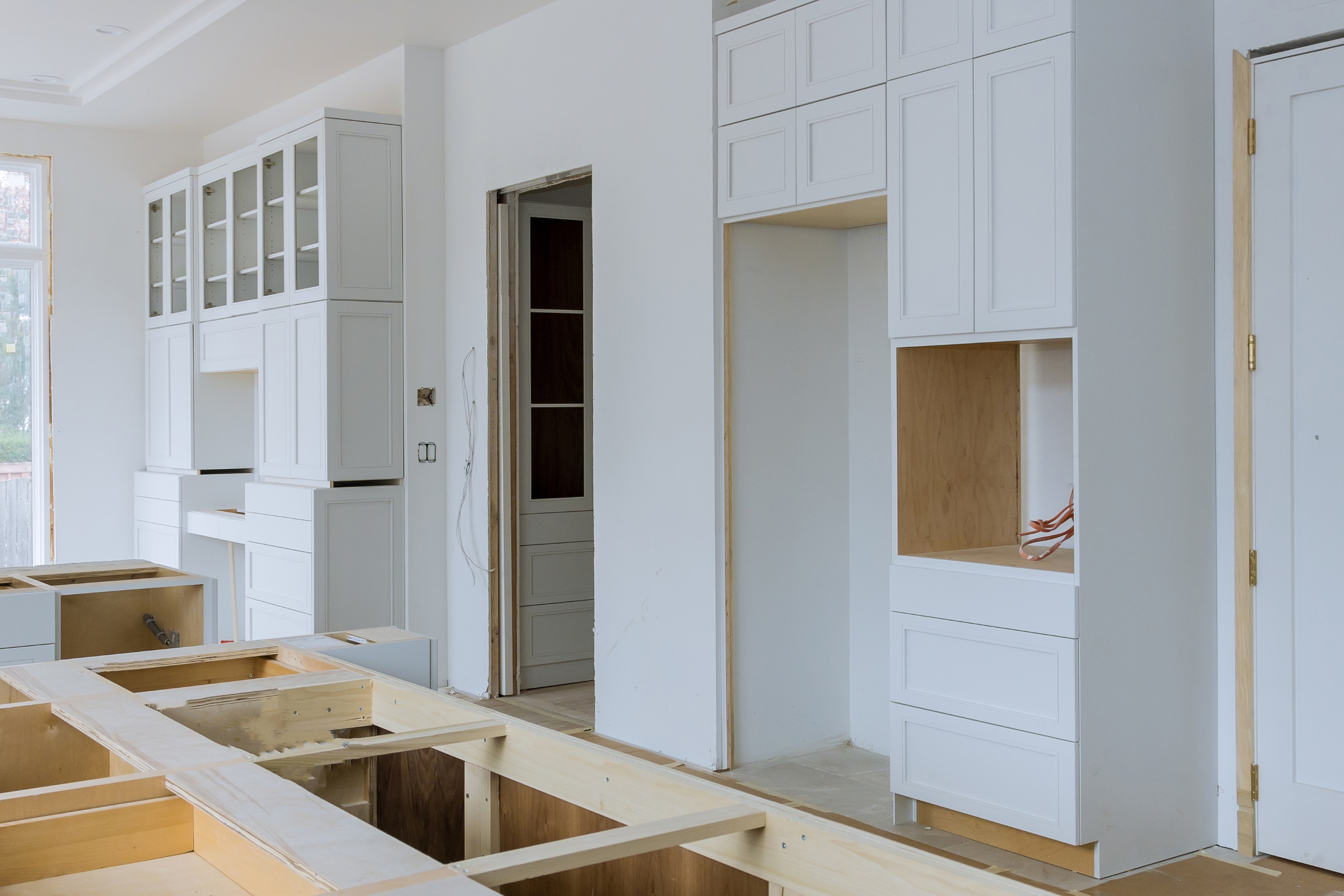
An open concept kitchen has become a popular choice for many homes today. It removes walls that separate the kitchen, dining room, and living room, giving you one bright and spacious area. This type of layout feels open, warm, and welcoming, making it easier for families to spend time together and for guests to interact with you while you cook.
Designing an open-concept kitchen requires careful planning. You need to consider how you utilize your space, how people navigate the room, and how the kitchen integrates with the rest of your home. With the right choices, you can create a kitchen that functions well, feels comfortable, and looks clean and cohesive.
Think About How You Use Your Kitchen
Before deciding on a layout, consider your daily routines. Every home is different. Some people cook every day, while others require more storage or space to entertain guests. Take a moment to ask yourself:
- Do you cook many meals at home?
- Do you need extra counter space?
- Do you like sitting at the island?
- Do you host guests often?
Your answers will help guide the overall layout and assist you in selecting the right features for your open kitchen.
Plan the Work Triangle
The work triangle is an essential part of any kitchen. It connects the stove, sink, and refrigerator. These three areas are used most frequently during cooking, so they should be positioned in a way that allows you to move easily and safely.
In an open layout, it is easy for furniture or seating to block movement. Make sure the space between these points is clear and free from obstacles. A smooth work triangle makes cooking faster and more comfortable.
Choose the Right Kitchen Island
The kitchen island is often the center of an open layout. It separates the kitchen from the rest of the room without using walls. It also adds style and function.
A kitchen island can serve many purposes. It can be used for meal prep, serving food, or casual seating. It can also help create order in a wide, open room. When planning your island, ensure there is sufficient space to walk around it and access open drawers or appliances. A large island looks nice, but it should still be practical for your space.
Create Simple Zones for Better Flow
Even without walls, it helps to create zones. These zones help keep the kitchen organized and make daily tasks easier. A zone is simply an area with a main purpose.
A few standard zones include:
- A cooking zone around the stove
- A prep zone with clear counter space
- A cleaning zone with the sink and dishwasher
These do not need to be separated by walls. The way you place cabinets, counters, and appliances naturally forms these areas. When zones are planned well, more than one person can use the kitchen at the same time without getting in each other’s way.
Use Lighting to Define the Space
Lighting is a key part of an open layout. When you remove walls, everything becomes more visible, so lighting must serve both style and purpose. Good lighting can also help separate areas within the same large space.
Use a mix of lighting types. Pendant lights above the island create a cozy atmosphere and draw attention to the center of the kitchen. Soft, warm lighting in the dining or living area helps both spaces blend and look connected. Under-cabinet lights can make food prep easier and brighten darker areas.
With the right lighting, your entire space feels open but still organized.
Choose Materials That Work Together
Because your kitchen connects directly to other rooms, it should match or blend with the materials around it. This creates a smooth visual flow.
For example:
- If you have wood floors in the living room, consider using the same flooring in the kitchen.
- If your nearby spaces use light colors, choose cabinets or counters that complement them.
The goal is to make the transition between each part of the room feel natural and balanced.
Plan for Strong Storage
Open-concept kitchens often have fewer upper cabinets because they typically have fewer walls. This means you need smart storage to keep the kitchen clean and organized.
To solve this, include deeper drawers, an organized pantry space, and cabinets that make full use of corners. Hidden storage, like built-in bins or pull-out shelves, also helps. With an open layout, clutter is more visible, so good storage makes a significant difference.
Think About Noise and Smells
Removing walls also means removing some sound control. Cooking noises and smells can easily spread into the living and dining areas. This does not mean you cannot have an open kitchen, but you should plan for it.
Choose quiet appliances when possible. Use a strong range hood to remove smoke and odors from cooking. Items like rugs, curtains, and soft seating help reduce noise in wide spaces.
Keep Traffic Flow Clear
Traffic flow refers to the movement of people through a space. A good open kitchen should have wide paths and open walkways. Ensure that doors, appliances, and drawers do not obstruct each other. Leave enough room for multiple people to move around without bumping into furniture.
A clear traffic flow makes the kitchen feel calm and easy to use.
Add Personal Touches
Once the main layout is planned, incorporate personal elements that make the space feel warm and inviting. Plants, artwork, small shelves, or simple decorations can help the kitchen feel like part of your home. Since the kitchen is visible from other rooms, simple decor helps tie everything together.
Final Thoughts
An open-concept kitchen can transform the way you enjoy your home. With the right planning, it becomes a bright and welcoming space where cooking, connection, and daily living come together. Focus on good layout, balanced lighting, smart storage, and comfortable flow. These choices will give you a space that looks good and feels easy to use every day.
If you need help planning your own open-concept kitchen, contact us today at (404) 997-3788 to schedule a free consultation.