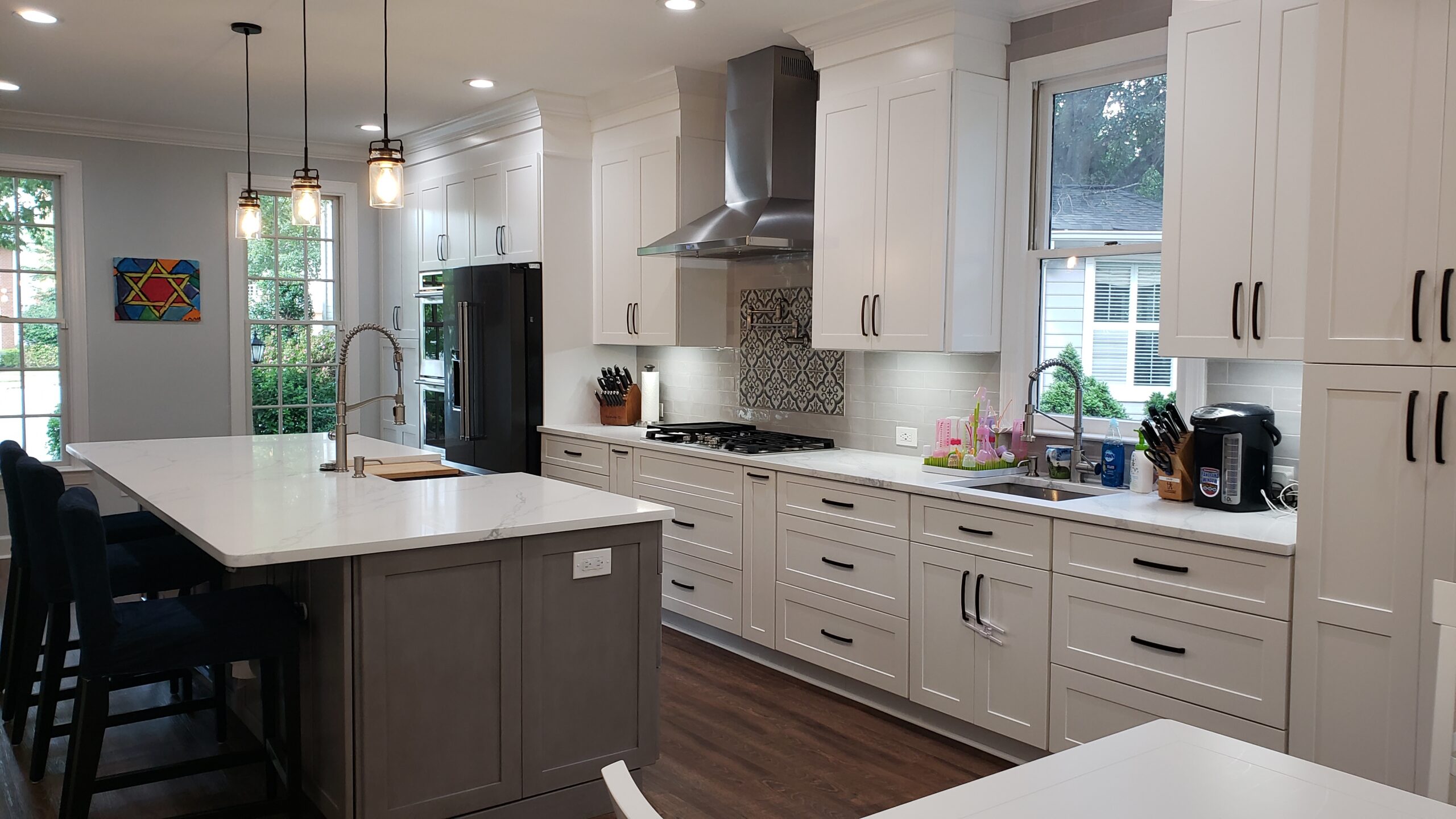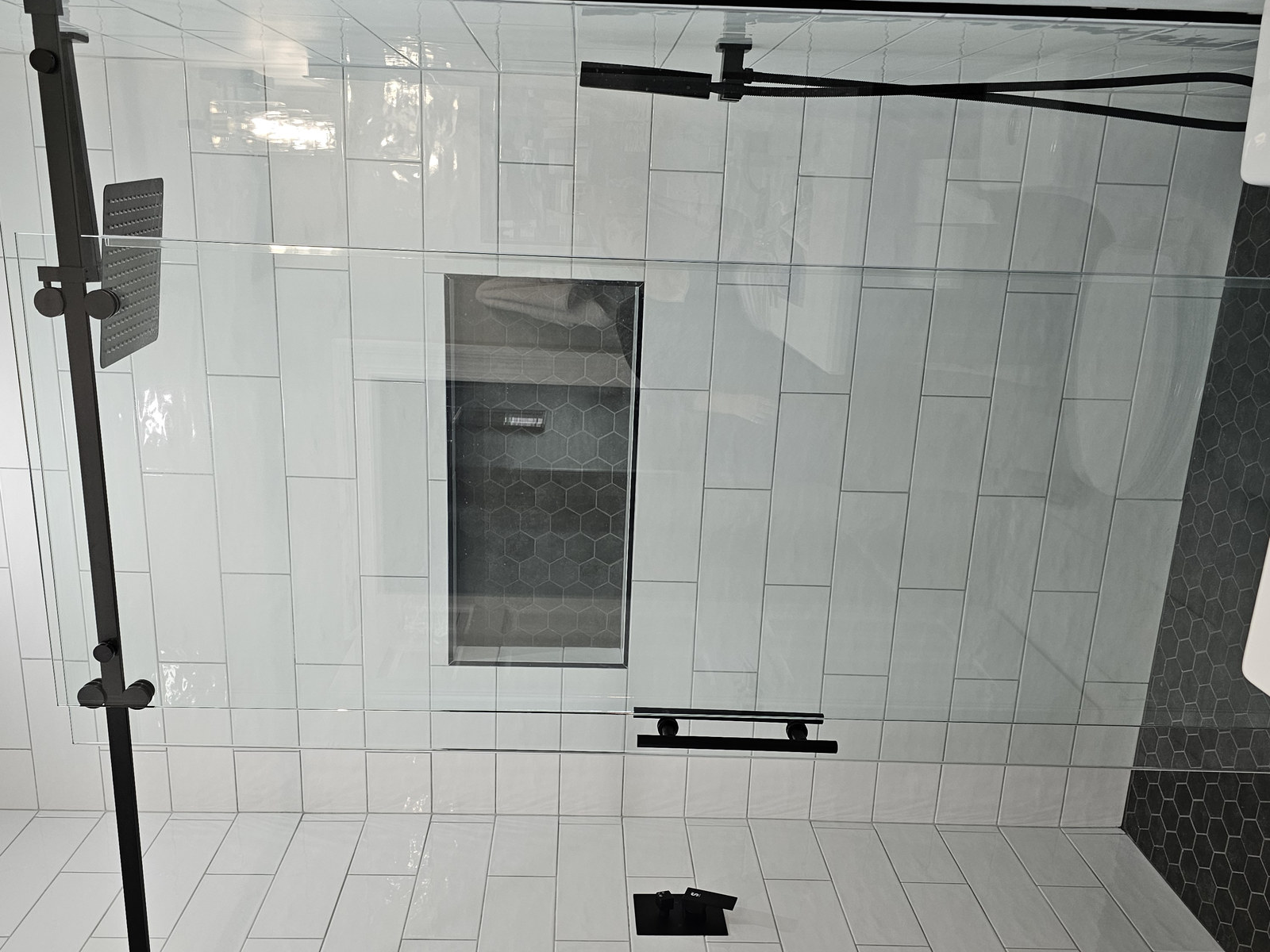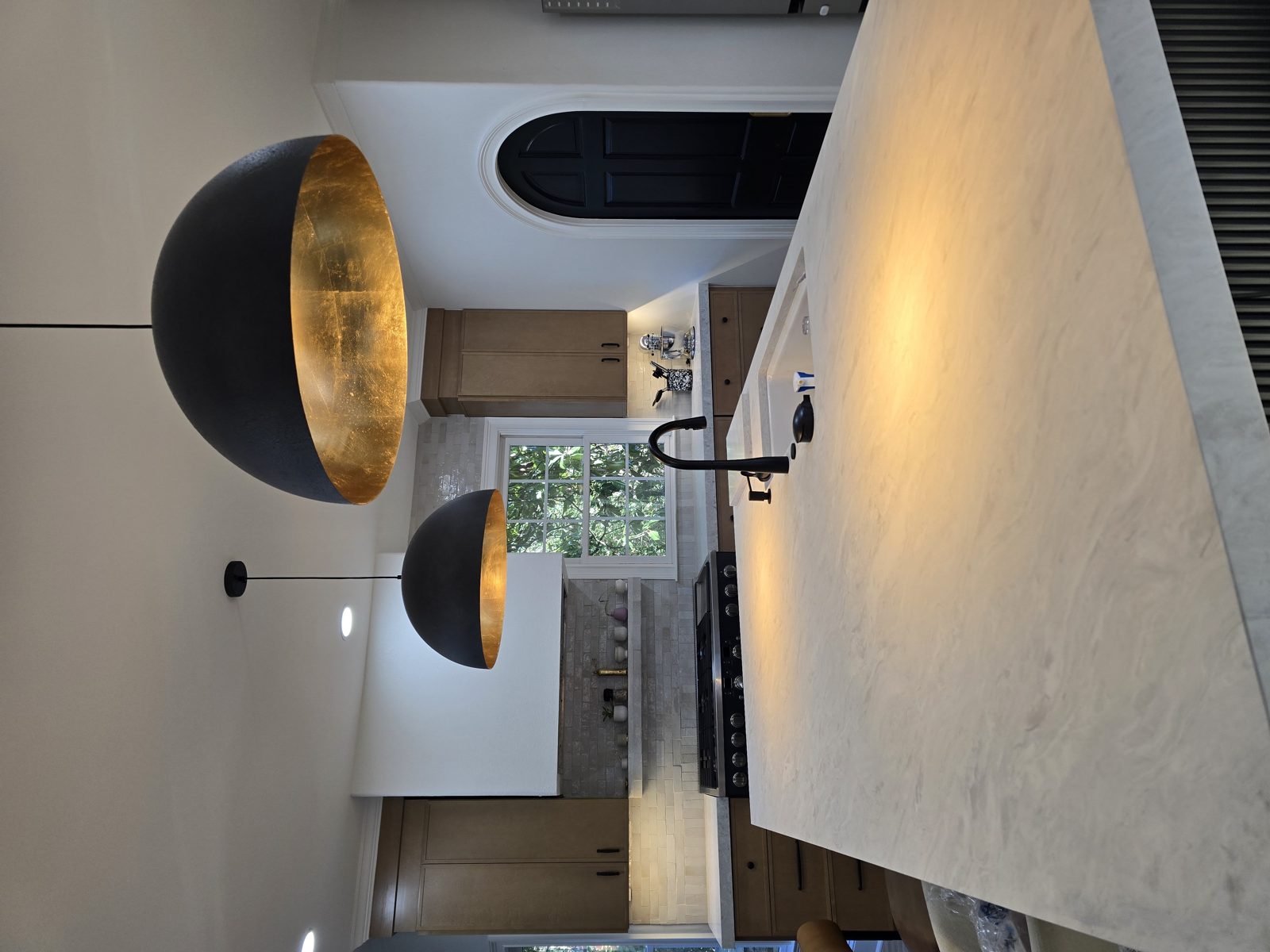
Garden Hills and Peachtree Hills are two of Buckhead’s oldest neighborhoods. Their Tudors, cottages and bungalows are a big part of why people buy there, and also why remodeling there takes more planning than in a newer subdivision. This guide covers what makes these houses different, which rules actually apply, and how to update a kitchen or bath without losing the character you bought the house for. Related: kitchen remodeling in Atlanta.
A Quick History of Both Neighborhoods
Peachtree Hills is the older of the two. Its civic association dates the subdivision of the original farmland to 1910 and the neighborhood’s official designation to 1912. It began as a streetcar suburb of Atlanta, where people built small cottages and bungalows north of the city (Peachtree Hills Civic Association). Craftsman-style bungalows still line many of its streets. You can also read about kitchen design in Atlanta.
Garden Hills was developed beginning in 1925 by Atlanta lawyer P.C. McDuffie, and most of its early homes went up in the late 1920s and early 1930s (Garden Hills Civic Association). According to its National Register nomination, many original homes on Rumson Road were built in the Tudor style, while the later Country Club and Brentwood sections, developed in the 1930s, filled with smaller “period” houses that were more affordable during the Depression. The streets curve with the natural topography. The area joined the City of Atlanta in 1952 (National Register nomination, Garden Hills Historic District).
“Historic” Can Mean Two Different Things
This is the part most homeowners get wrong, so it’s worth being precise.
National Register listing. The Garden Hills Historic District was listed on the National Register of Historic Places in 1987 (Buckhead Heritage Society). Under federal law, National Register listing places no restrictions on what a non-federal owner may do with their property, unless the project involves federal funding, licensing or permits (National Park Service, National Register FAQ). It’s an honor and a record, not a design review.
City of Atlanta historic or landmark district. Local designation is what brings design review. Properties in these districts are governed by Chapter 20 of the city’s zoning ordinance, and many exterior changes need a Certificate of Appropriateness. When we checked the city’s list, Garden Hills and Peachtree Hills did not appear among Atlanta’s designated historic or landmark districts. The nearby Brookwood Hills was listed as a conservation district (City of Atlanta, Property & District Information).
Designations can change, and some individual buildings are designated on their own. Always confirm your exact address on the city’s Property Info map, as the Historic Preservation office recommends (City of Atlanta, Historic Preservation). If your property is under Chapter 20, the city’s usual permit exemptions don’t apply to work that affects the exterior or site (City of Atlanta, Department of City Planning).
What’s Behind the Walls of a 1910s-1930s House
Houses this age were built with methods and materials that differ from modern construction. Many have also been remodeled several times since. Opening walls in an older home can reveal:
- Older wiring and plumbing that has to be brought up to current code before new work connects to it.
- Framing that isn’t square or level, which affects how cabinets, tile and countertops fit. Custom or semi-custom cabinets often handle this better than stock boxes.
- Lead-based paint. For homes built before 1978, the EPA’s Renovation, Repair and Painting Rule requires firms that disturb painted surfaces to be certified and to follow lead-safe work practices (EPA, RRP Rule).
- Small, closed-off rooms. Kitchens in period houses were often designed as work rooms, not gathering spaces. Opening a wall may involve a structural beam, which needs engineering and a permit.
Because of these unknowns, we recommend holding a larger contingency for an older home than for a newer one.
Keeping the Character
The best remodels in these neighborhoods feel as if they could have always been there. A few principles to follow:
- Match the trim first. Door and window casings, baseboards and crown set the tone of an older house. New openings should get trim that matches the original profile.
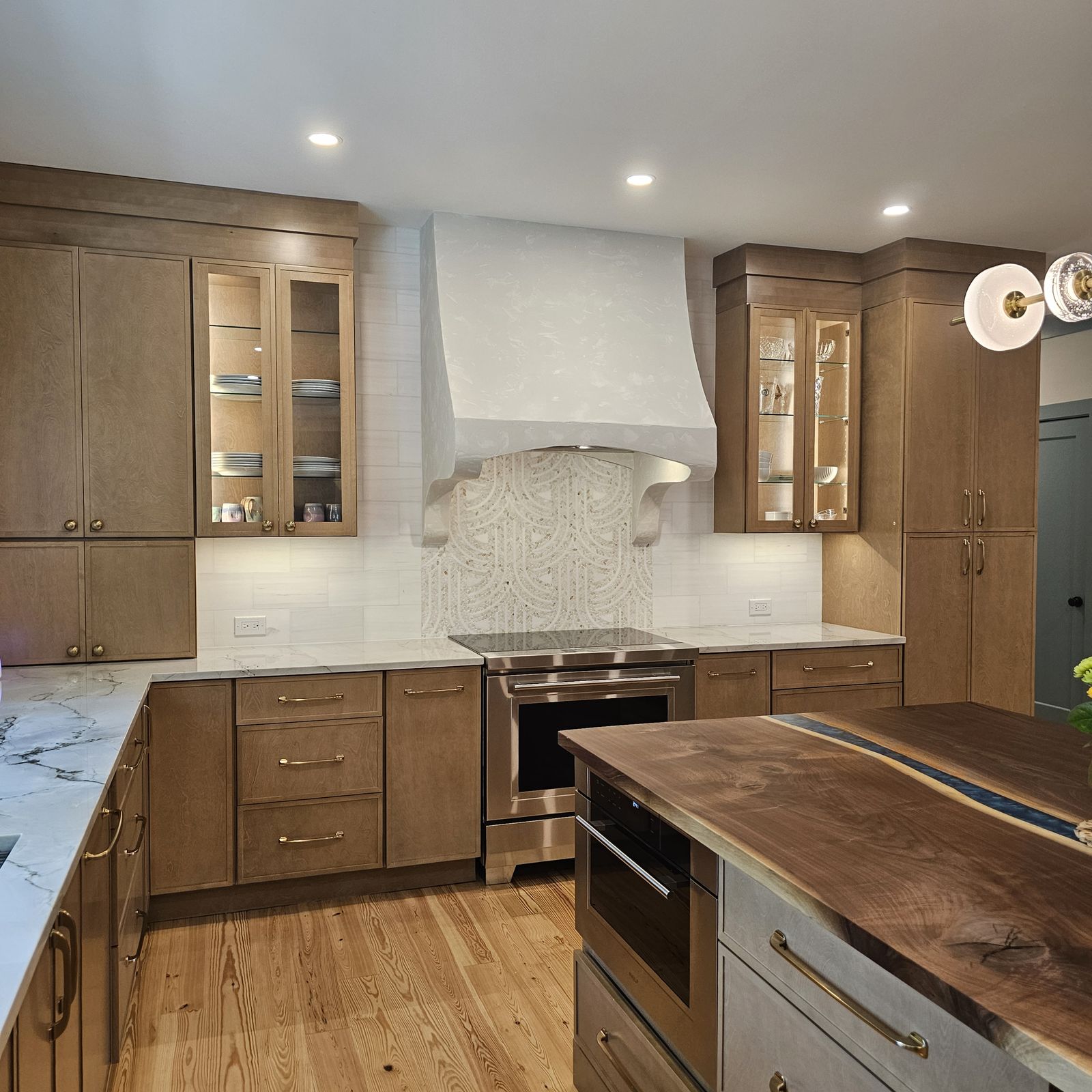
- Choose cabinet styles from the right era. Inset or beaded-inset doors, simple Shaker panels and glass-front uppers suit Tudor and Craftsman houses better than flat slab fronts. At the design review appointment at our showroom, you can view our sample doors and the colors they come in.
- Save what you can. Original hardwood floors, built-ins and leaded or divided-light windows are hard to replace. Plan new work around them.
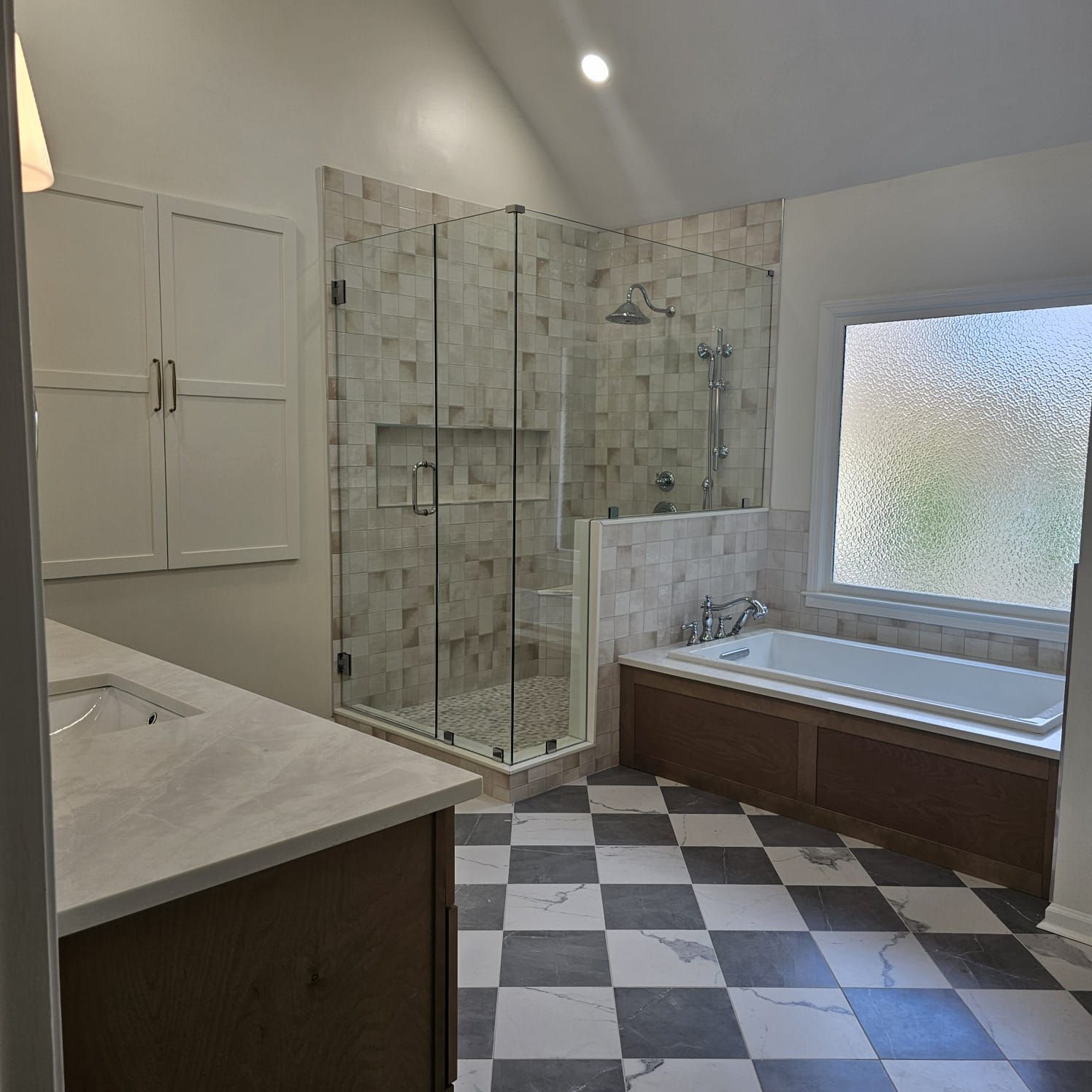
- Use classic surfaces. Hex or penny tile, checkerboard floors, subway tile and marble-look counters all have long histories in houses of this age.
- Hide the modern parts. Panel-ready appliances, a range hood with a plaster or wood surround, and concealed outlets keep the technology out of view.
Additions That Fit
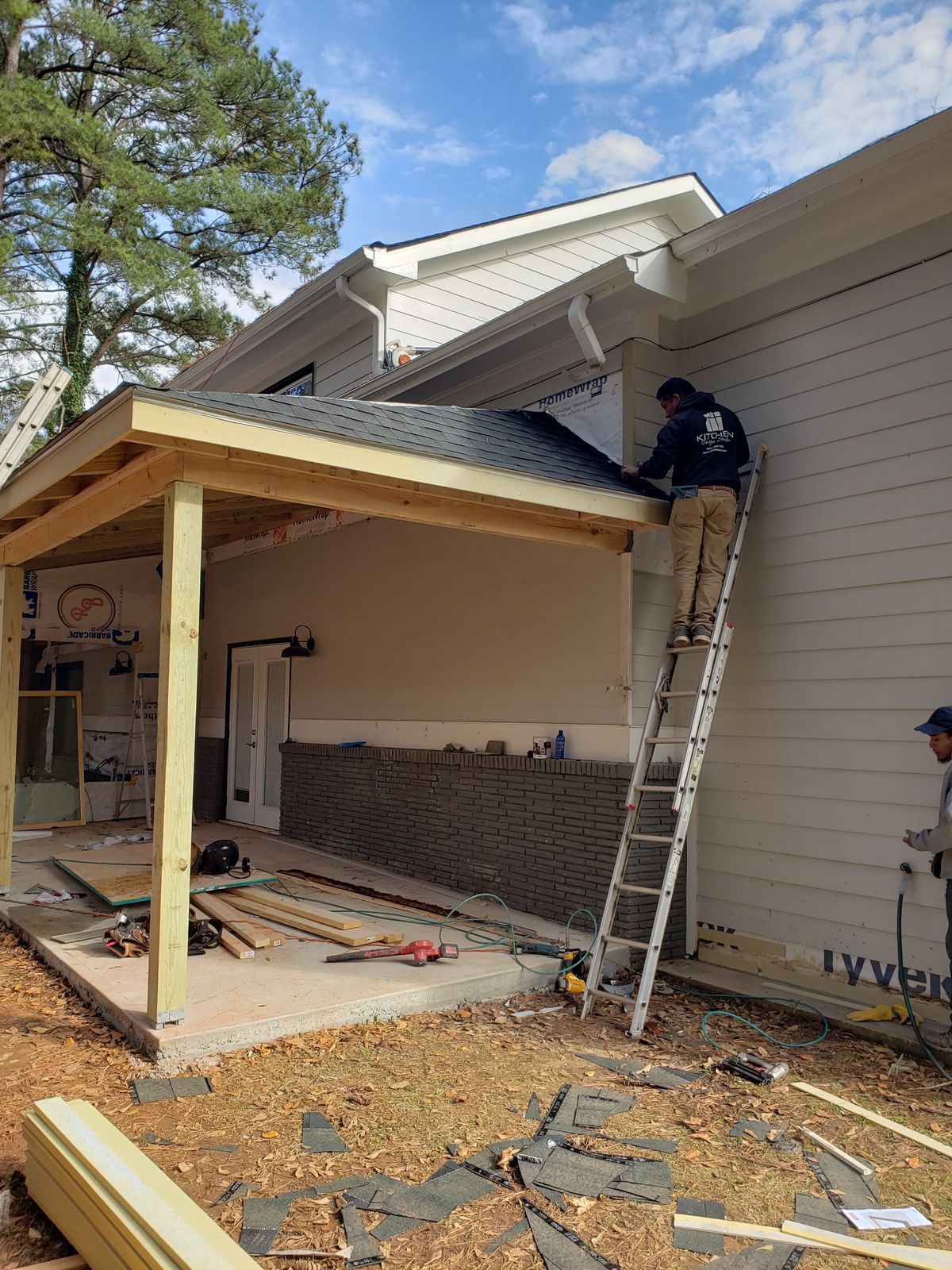
Many families in these neighborhoods outgrow a 1920s floor plan and add on rather than move. In Peachtree Hills, one couple told a local paper they lived in the carriage house behind their new home while they renovated and expanded it, adding a second story (Rough Draft Atlanta).
An addition that fits keeps the original roof pitch and materials, steps back slightly from the front so the old house still reads first, and doesn’t overwhelm the street. Zoning limits on height, size and placement on the lot still apply, and the City of Atlanta now requires an arborist meeting when trees may be affected (Ordinance 25-O-1341, effective June 25, 2025; ATL311). Mature trees are part of what makes both neighborhoods special, so plan for this early. See how we plan additions across Atlanta and adding on in Buckhead.
Frequently Asked Questions
Is Garden Hills a historic district?
Yes. The Garden Hills Historic District was listed on the National Register of Historic Places in 1987. National Register listing doesn’t restrict what a private owner can do. When we checked, Garden Hills wasn’t on the City of Atlanta’s list of locally designated historic or landmark districts, but confirm your address on the city’s Property Info map.
Do I need city approval to remodel a kitchen in Peachtree Hills?
You need the same City of Atlanta building permits as any other Atlanta home when the work calls for them. Historic design review applies only if your property is in a locally designated district or is an individually designated building.
Do you offer a warranty on remodels in older homes?
Yes. Our work comes with a one-year contractor warranty.
Talk to Us About Your Older Home
We’d be glad to walk through your house and talk about what’s possible. Call (404) 997-3788 or book a free consultation. Explore our kitchen work in Buckhead, Buckhead bathroom remodeling or all Buckhead services, and read what a Buckhead kitchen remodel costs. Related city pages: kitchen remodels in Brookhaven and Chamblee.