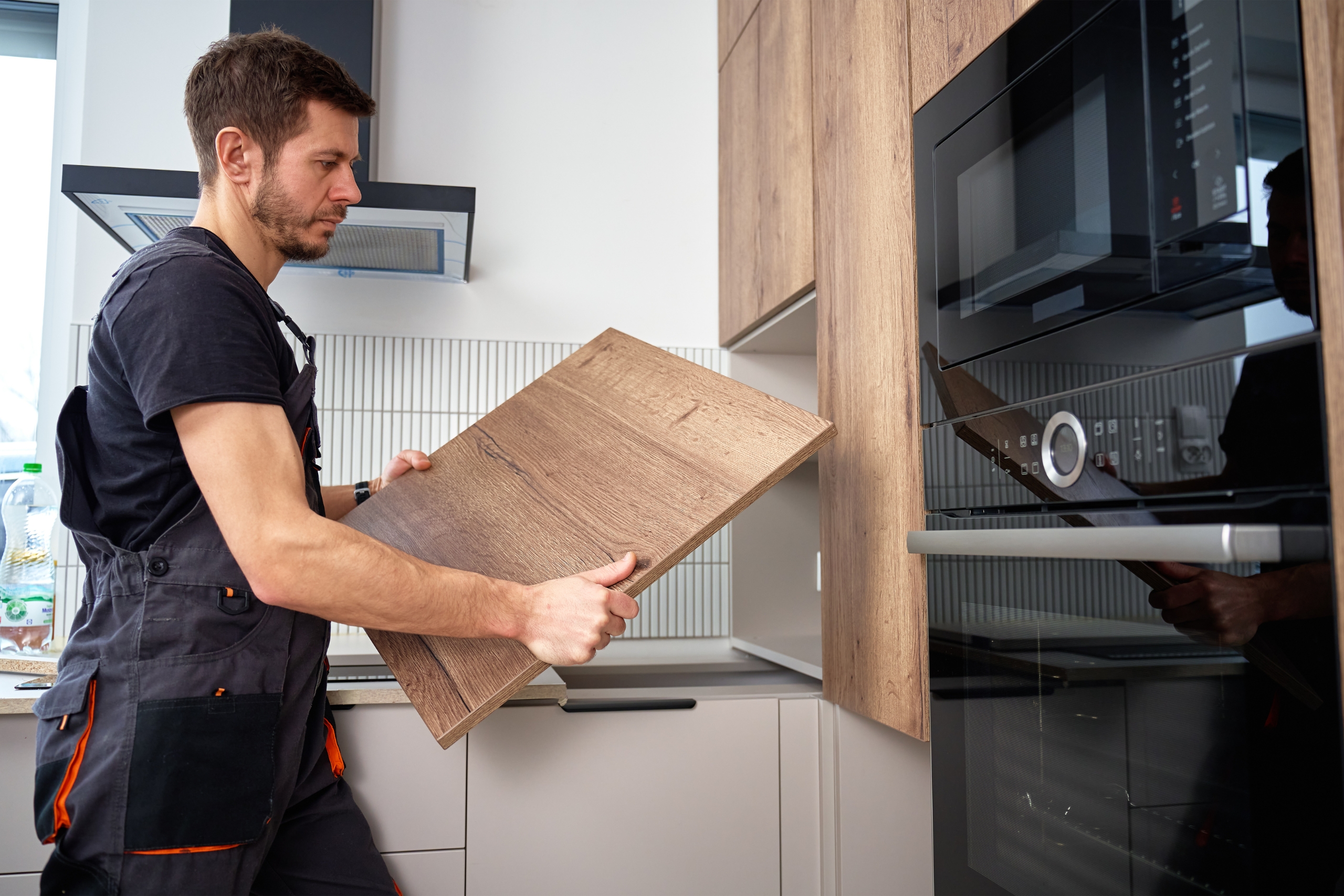
Your kitchen floor takes a lot of wear and tear every day. It must handle foot traffic, spills, and stains while still maintaining its appearance. Choosing the right flooring material for your kitchen is an important decision because it affects both the style and function of your space.
Different flooring materials have their own strengths and weaknesses. Some are better for busy households, while others work well for low-traffic kitchens or design-focused spaces. To help you decide, here’s a detailed look at the pros and cons of the most popular kitchen flooring materials.
Tile Flooring
Pros
Tile is one of the most common choices for kitchens because it is durable and water-resistant. It can handle heavy traffic and spills, making it ideal for busy households. Tiles come in many styles, colors, and textures, so it’s easy to find one that matches your kitchen design. Ceramic and porcelain tiles are particularly well-suited for kitchens due to their ease of cleaning and resistance to stains.
Cons
Tile can feel hard and cold underfoot, which may be uncomfortable if you spend a lot of time standing while cooking. It can also be slippery when wet unless you choose a textured surface. Grout lines require regular cleaning to prevent dirt and discoloration. Professional installation can also add to the overall cost.
Vinyl Flooring
Pros
Vinyl is a popular choice because it’s affordable, soft underfoot, and easy to maintain. Modern vinyl options, such as luxury vinyl planks (LVP) and luxury vinyl tiles (LVT), can mimic the look of wood or stone at a lower cost. Vinyl is also water-resistant, making it a good fit for kitchens where spills are common. It’s simple to clean with just a mop and mild cleaner.
Cons
Although vinyl is durable, it can be scratched by sharp objects or heavy furniture. It’s not as durable as tile or stone, and inexpensive vinyl may wear out more quickly in high-traffic areas. Prolonged exposure to direct sunlight can also cause fading over time.
Hardwood Flooring
Pros
Hardwood floors bring warmth and elegance to a kitchen. They can make your kitchen look larger and more welcoming. Hardwood is also long-lasting and can be refinished several times, which helps it maintain its beauty for years. It adds value to your home and matches many design styles, from modern to classic.
Cons
Wood is sensitive to moisture, so it’s not ideal for kitchens with frequent spills or leaks. Even small water puddles can cause damage if not cleaned quickly. Hardwood also needs regular care, including refinishing and resealing. It’s generally more expensive than other flooring options and can show scratches more easily.
Laminate Flooring
Pros
Laminate flooring offers the look of wood or stone at a much lower price. It’s made from layers that make it resistant to scratches, stains, and fading. Laminate is also quick to install, often using a click-and-lock system that does not require glue or nails. Maintenance is simple because it only needs regular sweeping and mopping.
Cons
While laminate is durable, it’s not as water-resistant as vinyl or tile. If water seeps into the seams, it can cause the boards to swell or warp. Once damaged, laminate cannot be refinished like hardwood. It can also feel a bit hard underfoot, similar to tile.
Natural Stone Flooring
Pros
Natural stone, such as granite, marble, or slate, adds a luxurious and timeless look to any kitchen. Each stone tile is unique, giving your kitchen a one-of-a-kind appearance. Stone is strong and long-lasting when properly sealed and maintained. It’s also resistant to heat, making it a good choice for kitchens with heavy cooking.
Cons
Stone can be expensive to buy and install. It also requires regular sealing to prevent stains and moisture damage. Like tile, stone can be cold and hard underfoot, so you may want to use rugs or mats in high-traffic areas. It can also be slippery when wet unless you choose a textured finish.
Cork Flooring
Pros
Cork flooring is made from renewable materials, making it an eco-friendly choice. It’s naturally soft and warm underfoot, making it comfortable to stand on for extended periods. Cork also has a slight cushioning effect, which can help reduce noise in the kitchen. It’s resistant to mold, mildew, and pests when properly sealed.
Cons
Cork is sensitive to moisture and must be sealed regularly to prevent water damage. Heavy furniture can leave dents, and direct sunlight can cause fading over time. It’s not as durable as stone or tile, but with the right care, it can last for many years.
Concrete Flooring
Pros
Concrete flooring gives a clean, modern look and is incredibly durable. It can handle heavy use, spills, and foot traffic without wearing down. You can stain, polish, or stamp it to match your kitchen’s design. Concrete is also easy to clean and maintain with regular sweeping and mopping.
Cons
Concrete can feel very hard and cold, making it an uncomfortable choice for standing over long periods. It also requires sealing to prevent stains and cracks. If not installed correctly, concrete floors can develop hairline cracks over time due to shifting or temperature changes.
Linoleum Flooring
Pros
Linoleum is an eco-friendly option made from natural materials like linseed oil, cork dust, and wood flour. It’s water-resistant and easy to clean. Linoleum also comes in a wide range of colors and patterns. It’s softer and warmer underfoot than tile or stone, making it comfortable for daily use.
Cons
Linoleum needs regular maintenance to keep its shine and may require periodic waxing. It can fade or turn yellow over time when exposed to sunlight. It’s also less resistant to water compared to vinyl or tile and can be damaged by excess moisture.
Final Thoughts
Choosing the right kitchen flooring depends on your lifestyle, budget, and the level of maintenance you are willing to handle. If you want something strong and long-lasting, tile or stone may be the best option. For a softer and more affordable option, consider vinyl or laminate, which may suit your needs. Hardwood brings warmth and value, but requires extra care. Cork and linoleum offer eco-friendly choices for those who value sustainability.
Whatever you choose, make sure it fits your daily routine and the look you want for your kitchen. If you need expert advice, contact us today at (404) 997-3788 to schedule a complimentary consultation and receive expert advice on selecting the ideal flooring material for your kitchen.