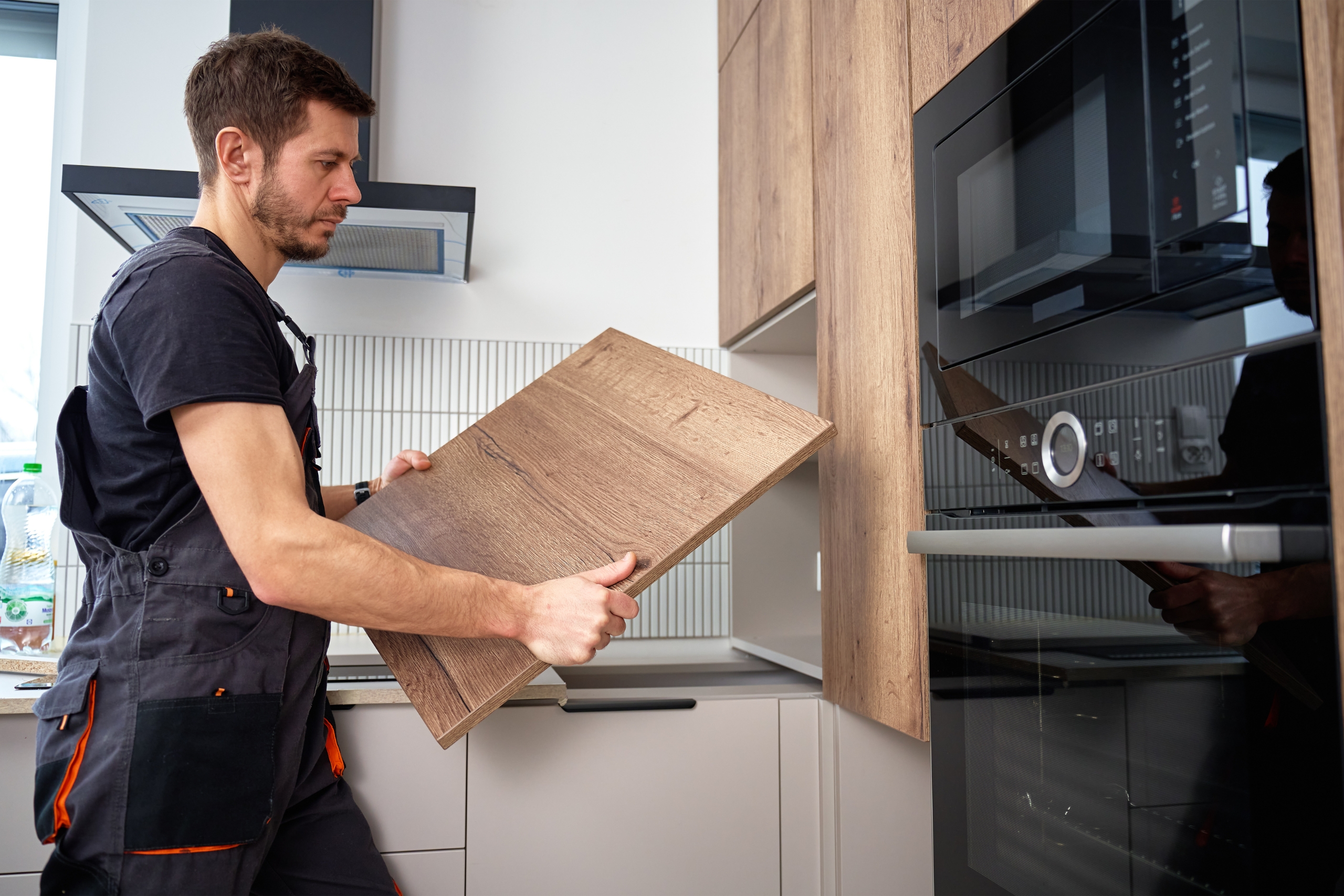
Your kitchen is one of the most used spaces in your home. It is where meals are prepared, families gather, and daily routines happen. Because of this constant use, kitchens can quickly show signs of wear if they are not cared for properly. The good news is that with regular cleaning and simple maintenance habits, you can keep your kitchen looking fresh and new for many years.
Keeping a kitchen in good shape does not require expensive products or complicated routines. What matters most is consistency and knowing how to care for each surface the right way. This guide will walk you through practical cleaning and maintenance tips to help protect your kitchen and keep it looking its best.
Start With Daily Cleaning Habits
Daily cleaning is the foundation of a well-kept kitchen. Small messes that are ignored can turn into stains, buildup, or damage over time. Wiping down surfaces after cooking helps prevent grease and food particles from settling in. Clean countertops with a soft cloth and a gentle cleaner at the end of each day. This keeps bacteria away and protects the surface from stains. Spills should be wiped up right away, especially if they come from acidic foods like tomatoes, vinegar, or citrus juice. Sweeping the floor daily helps keep dirt and crumbs from scratching the surface. Even small particles can cause wear if they are walked on repeatedly.
Take Care of Your Countertops
Different countertop materials need different care. Using the wrong cleaner can damage the surface or dull its finish.
For granite or natural stone, use a mild soap and water or a cleaner made for stone. Avoid harsh chemicals that can break down sealants. Wipe the surface dry to prevent water spots.
Quartz countertops are easy to maintain and only need gentle soap and water. Avoid abrasive pads that can scratch the surface.
Laminate countertops should be cleaned with a soft cloth and mild cleaner. Avoid placing hot pans directly on the surface, as heat can cause damage.
Butcher block counters need regular oiling to prevent drying and cracking. Clean them with a damp cloth and mild soap, then dry completely.
Keep Cabinets Looking Fresh
Kitchen cabinets are touched every day, especially around handles and edges. Grease and dirt can build up in these areas over time. Wipe cabinet doors weekly with a soft cloth and warm water mixed with a small amount of dish soap. For wood cabinets, dry the surface right away to avoid moisture damage. Avoid using harsh cleaners or soaking cabinets with water. Too much moisture can cause warping or peeling. Check cabinet hardware regularly and tighten loose handles or hinges. This small step helps prevent long-term damage and keeps cabinets working smoothly.
Maintain Kitchen Appliances
Appliances play a big role in how clean and new your kitchen looks. Regular care keeps them working well and improves their appearance.
Clean the outside of appliances weekly using a cleaner made for the surface type. Stainless steel surfaces should be wiped in the direction of the grain to avoid streaks.
Refrigerators should be cleaned inside every few months. Remove old food, wipe shelves, and clean door seals to keep them working properly.
Ovens benefit from regular wipe-downs to prevent baked-on messes. Cleaning spills early makes deep cleaning easier later on.
Dishwashers should be run empty with a cleaner or vinegar occasionally to remove buildup and odors.
Protect Your Sink and Faucet
The sink and faucet are used constantly and can show wear if not maintained. Rinse the sink after use and wipe it dry to prevent water spots. For stainless steel sinks, avoid leaving metal objects inside, as they can cause rust marks. Clean faucets with a soft cloth and mild cleaner. Hard water can leave mineral buildup, so drying the faucet after use helps keep it shiny. Check under the sink now and then for leaks. Catching minor issues early can prevent water damage inside cabinets.
Care for Kitchen Floors
Kitchen floors deal with spills, foot traffic, and dropped items every day. Regular care keeps them looking clean and prevents damage. Sweep or vacuum daily to remove dirt and grit. Mop weekly using a cleaner that matches your floor type.
Wood floors should not be soaked with water. Use a damp mop and dry the floor quickly.
Tile floors should be cleaned with a gentle cleaner. Pay attention to grout lines, as they can trap dirt and discolor over time.
Vinyl floors are easy to maintain but can be scratched by heavy furniture. Use felt pads under chairs and tables to protect the surface.
Prevent Damage Before It Starts
Preventive care is one of the best ways to keep your kitchen looking new. Use cutting boards instead of cutting directly on countertops. Place hot pads or trivets under hot pots and pans. Avoid slamming cabinet doors and drawers. Soft-close hardware can help reduce wear. Keep moisture away from wood surfaces and clean spills quickly to avoid stains or swelling.
Schedule Regular Deep Cleaning
Even with daily care, kitchens need deeper cleaning from time to time. Set aside time every few months to clean areas that are often overlooked. Clean behind appliances, wipe down walls near cooking areas, and wash cabinet interiors if needed. This keeps grease and dust from building up and helps maintain a fresh look. Deep cleaning also gives you a chance to spot minor issues before they become bigger problems.
Final Thoughts
A kitchen that looks new is not about perfection. It is about regular care, simple habits, and using the proper cleaning methods for each surface. By staying consistent and addressing messes early, you can protect your kitchen from wear and keep it looking clean, welcoming, and functional. If you want expert guidance on caring for your kitchen or are thinking about updates, contact us today at (404) 997-3788 to schedule a free consultation.